Brass Lantern Factory in Zhongshan
KPEG is a brass lantern factory in Zhongshan, the lighting capital. Since 2010 we have built solid brass lanterns in our own workshop — every frame cut, soldered, and finished by hand.
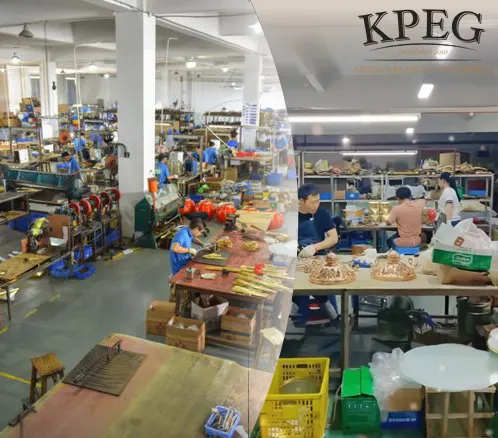
Today over 20 bench artisans run each step in-house: cutting, shaping, soldering, assembly, finishing, wiring, and testing. Our standard stock is heavy solid brass sheet and profile, and hand-soldered joints carry the structure — never glue.
Bespoke work fills half the floor. Send a sketch or a site dimension and we return shop drawings fast, then build your brass lanterns to order with a 24h quote response.
Contractors and designers across Europe and North America have trusted that method for fourteen years. Start from our solid brass lighting homepage for the full range, or walk the floor below.
A Journey of Light & Heat
Every lantern below walks the same seven stations, bench to bench. Browse the finished brass wall sconce collection to see where each step lands.
 01
01Design & Cutting
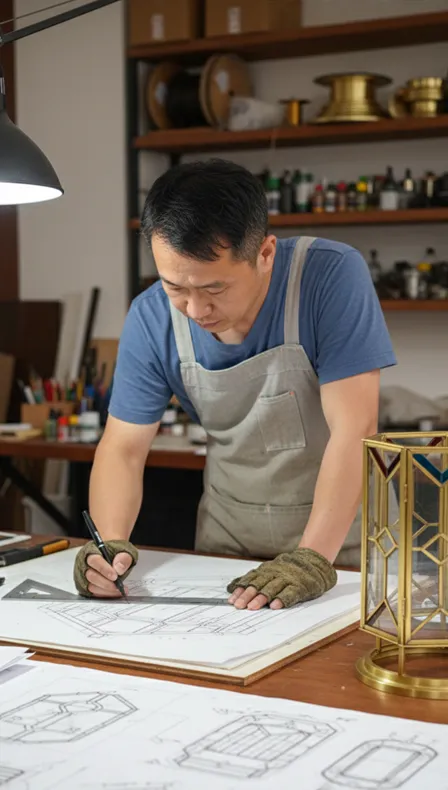
Each job starts as a dimensioned sketch: sizes, mounting points, and glass openings go on paper first. Brass sheet is cut to the drawing and every part is marked to its lantern, so nothing gets mixed on the bench.
 02
02Forging & Shaping
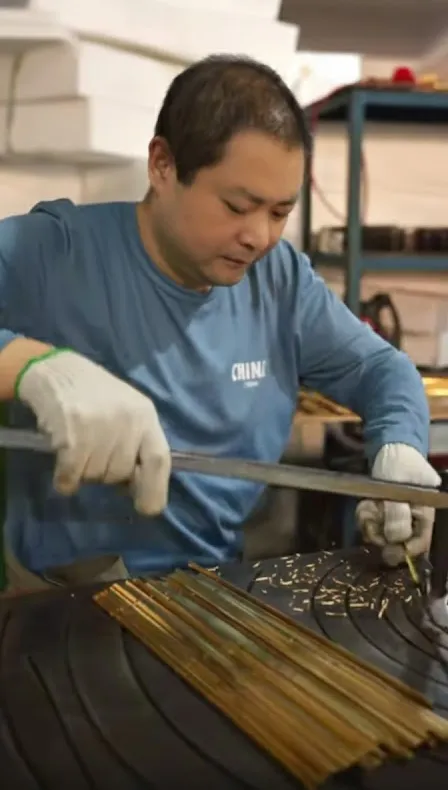
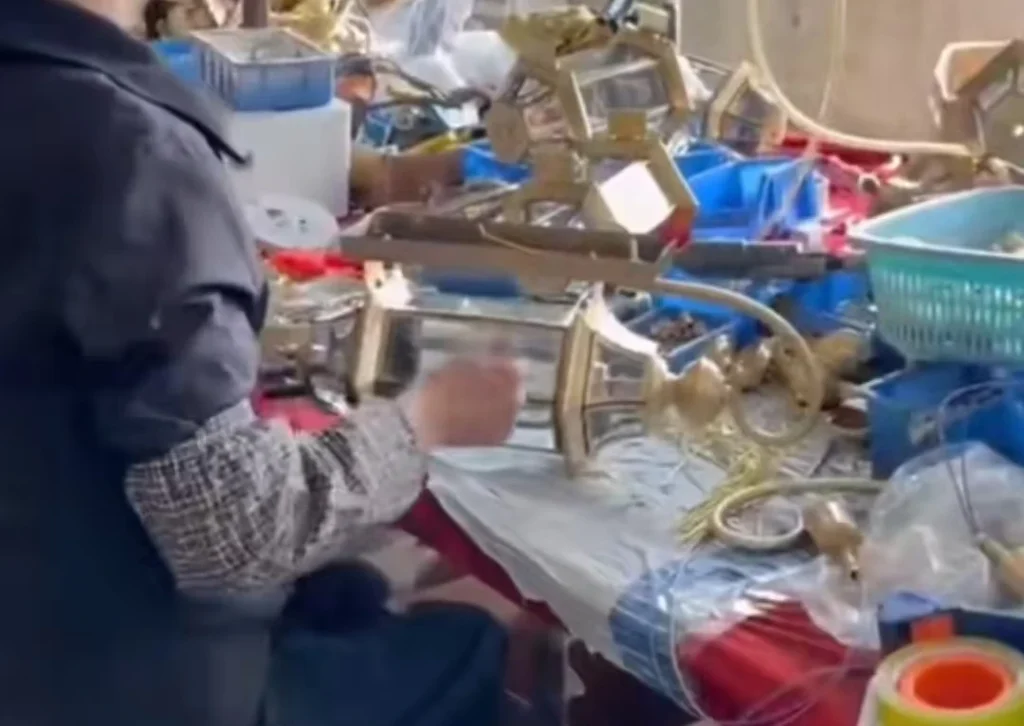
Frames are cut, folded, and rolled to profile from solid brass sheet. Fold lines stay crisp and corners square, and every bend is checked against the drawing before it moves on.
 03
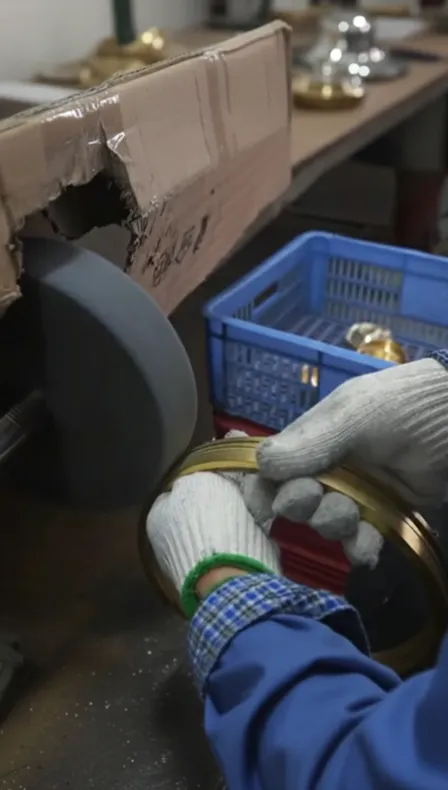
03Pre-soldering Treatment
Every edge is sanded and degreased before heat. Solder only bites bright clean metal, so the prep bench decides whether the joint holds.
 04
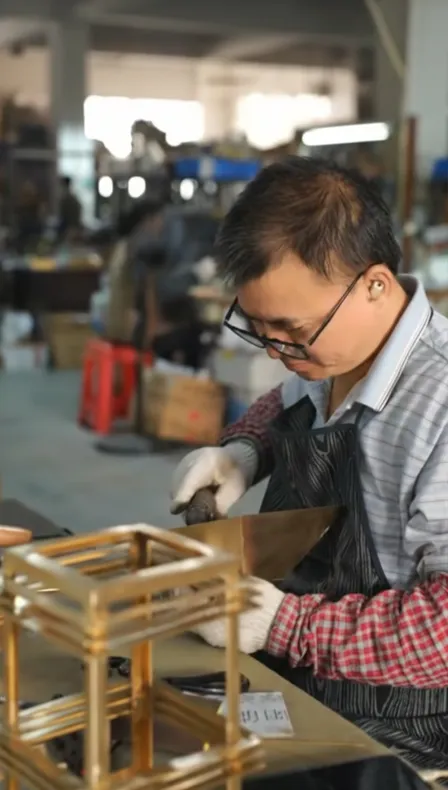
04Core Soldering
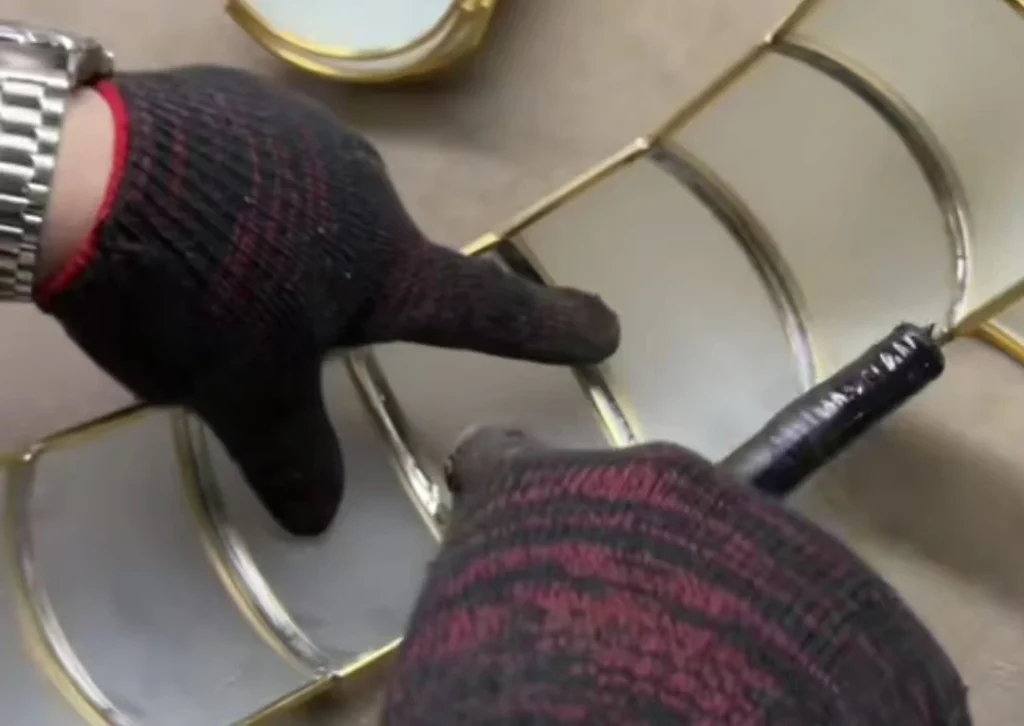
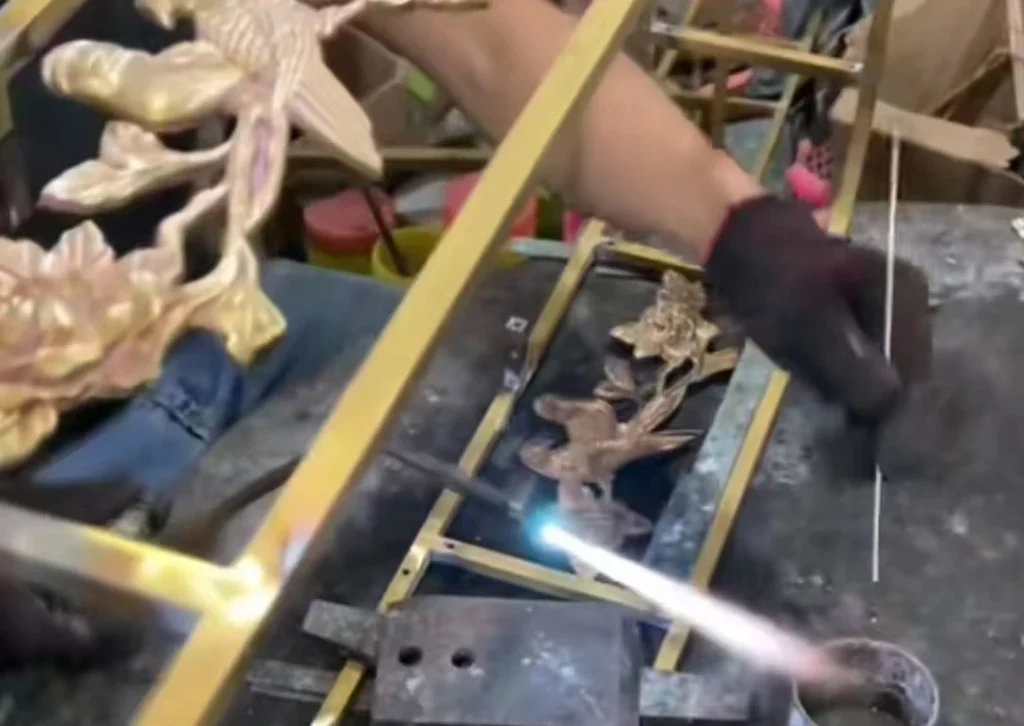
Joints are hand-soldered with torch and rod, one continuous pass per seam. The craftsman watches the flow, not the clock — no cold joints, no tack-and-hope.
 05
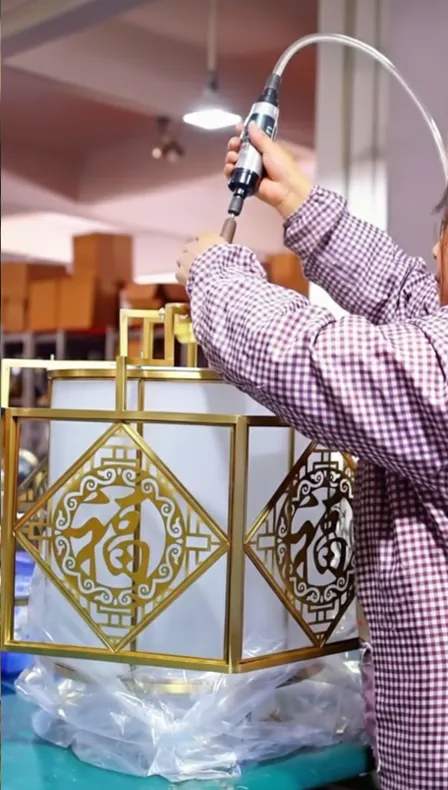
05Assembly & Hardware
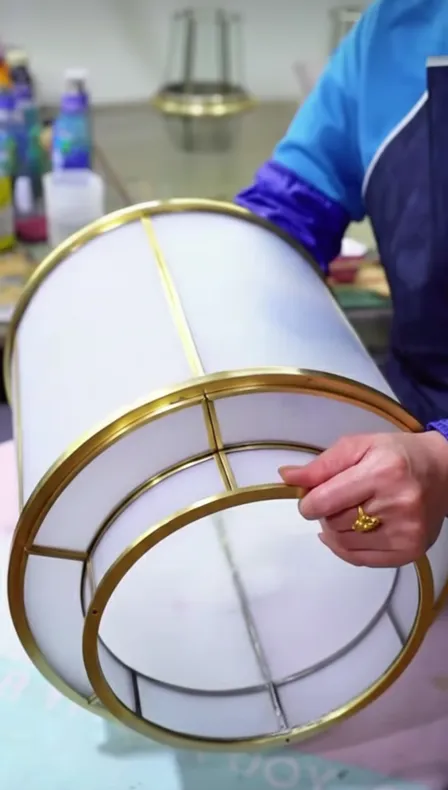
Glass panels are cut to their own openings and the frame is squared around them. Hinges, latches, and mounts are fitted so each lantern opens, closes, and hangs straight.
 06
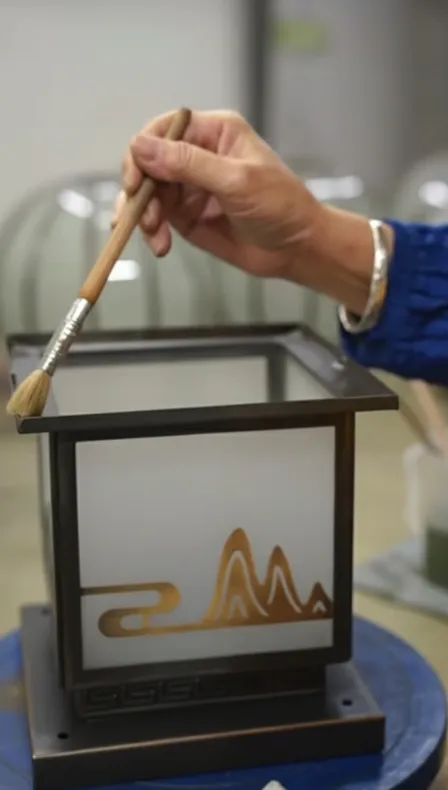
06Patina & Finishing
The antique finish is rubbed into the brass by hand, then sealed. Machine marks come off, the tone deepens with years, and touch-ups blend instead of showing.
 07
07Testing & QC
Each lantern is wired, lit on the test rack, and inspected: glow, wiring, and finish under light. Failures go back to the bench — never into a box.
Anatomy of a KPEG Lantern
Six details decide whether a brass lantern lasts decades or seasons. Every KPEG lantern is checked against all six before it packs.
Seamless Joint Quality
Each corner is hand-soldered, then filed and polished until the seam disappears. Run a finger along any joint and you will not feel a lip, a gap, or a burr.
Continuous solder carries the load across the whole joint instead of a few tack points. That is why our frames stay shut through heat, frost, and years of handling.
Solid Brass, Architectural Grade
Frames start as heavy solid brass sheet and profile, thick enough to take high-heat soldering without warping. The weight you feel lifting a finished lantern is the material itself — not filler.
Thick stock also holds threads and screws without stripping, so mounts and hinges stay tight for decades. Thin wrapped metal can do neither job; we do not use it.
Patina Consistency
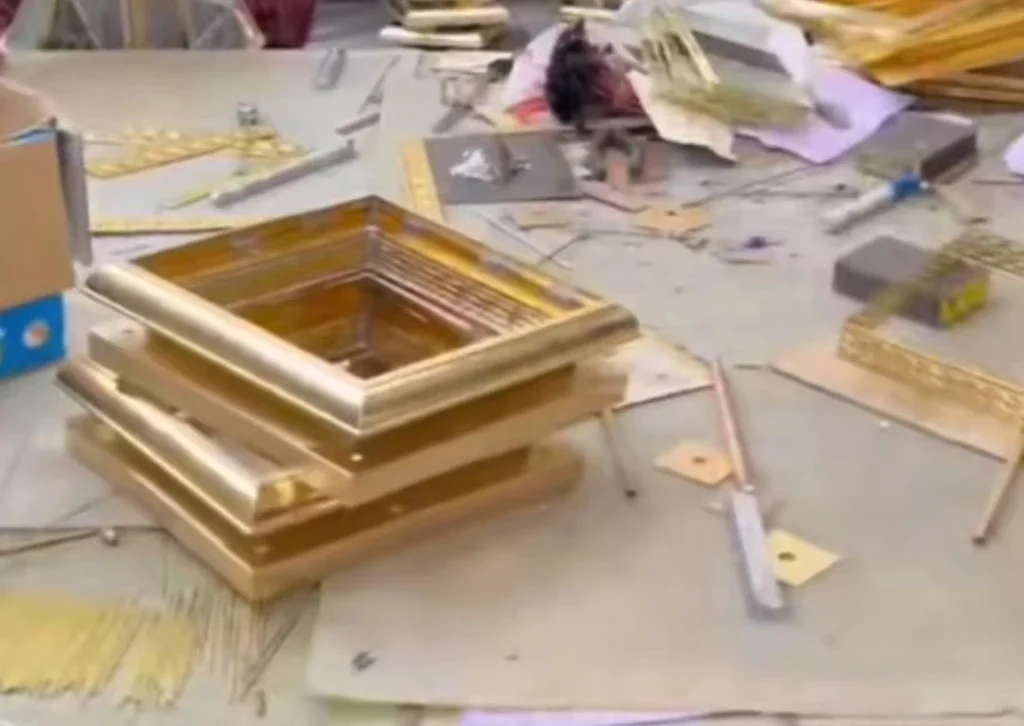
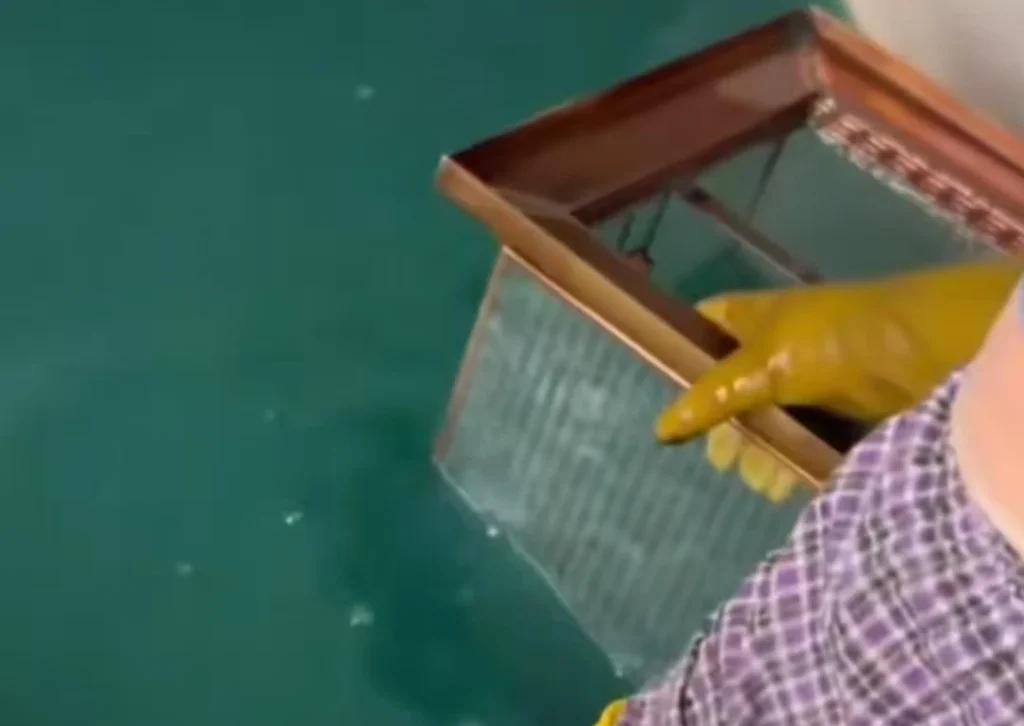
Our antique finish is a controlled oxidation of the brass itself, rubbed in by hand and sealed — not paint. Every batch is matched against a kept sample, so repeats land in the same tone.
Because the color lives in the metal, it deepens with weather instead of peeling. Touch-ups blend into the old surface instead of showing as patches.
Precision Structural Integrity
Frames are squared and aligned before glass is cut, so every panel seats snug without forcing. Chimney and roof sections on outdoor lanterns are soldered shut for a full weather seal.
Each frame is measured against its drawing with gauges — not against the last piece off the bench. Anything out of tolerance goes back.
Bespoke Solid Brass Elements
Scrolls, brackets, finials, and mounts are forged from the same solid brass stock and soldered to the frame — never glued-on copies. Send a site photo or a dimension and the bracket comes back fitting it.
Custom parts run on factory jigs, so the tenth repeat matches the first. Wiring and hardware meet the same standard inside as the brass shows outside.
Optical Clarity
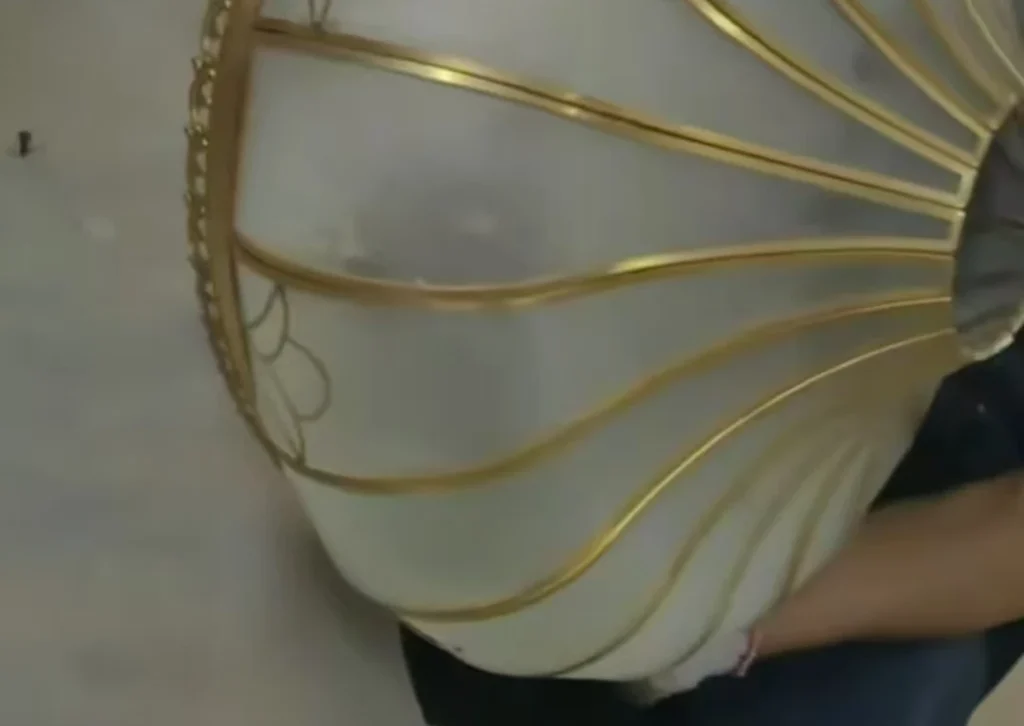
Panels are high-transmittance tempered glass or hand-blown artisanal glass, cut to their own openings and bedded straight. Light leaves the lantern soft and even, without distorted shadows.
Clean thick edges and seated gaskets keep out dust and drizzle while stopping rattles. The glass is fitted to be serviced — a panel comes out and goes back without a fight.
Start a Bespoke Build
Send a sketch, a site photo, or a dimension — we return shop drawings and a factory quote within 24 hours. Or browse the finished brass lantern collection first.
Send Message
Interested in our handcrafted collections? Contact our brass atelier or leave your details below — consultation within 24 business hours